
antique silver mirror
Úvod do zakládání s pomocí zemních kotev Zemní kotevy jsou jedním z klíčových prvků v oblasti stavebnictví a inženýrství, které se používají k zajištění stability a podpory různých konstrukcí. Tyto kotevní prvky se využívají především v místech, kde je potřeba přenášet zatěžovací sklony a zvyšovat stabilitu podkladových materiálů. V tomto článku se podíváme na různé aspekty zemních kotev, jejich aplikace a výhody, které přinášejí do stavebního průmyslu. Co jsou zemní kotevy? Zemní kotevy jsou zavedené konstrukční prvky, které se ukotvují do země za účelem posílení stability konstrukce. Jsou vyrobeny z různých materiálů, jako je ocel, beton nebo kompozity, a jejich úkol spočívá v přenášení zátěže z nadzemní konstrukce do země. Kotevy mohou být horizontální nebo vertikální, v závislosti na požadavcích konkrétního projektu. Aplikace zemních kotev Zemní kotevy se používají v mnoha oblastech, včetně 1. Stavebnictví V různých stavebních projektech, jako jsou mosty, silnice nebo budovy, se využívají ke zvýšení stability a nosnosti. Umožňují efektivní rozložení zátěže a snižují riziko nežádoucích pohybů, které by mohly ohrozit bezpečnost konstrukce. 2. Zahradní architektura Při vytváření teras, schodišť nebo kaskád se zemní kotevy často používají k zajištění stability a prevenci eroze. 3. Břehové ochrany V oblastech s vysokým rizikem eroze nebo povodní slouží kotevy k ochraně břehů vodních toků a nádrží, čímž udržují stabilitu okolní krajiny. ground anchor fixings 4. Opravy a údržba Při opravách starých budov nebo konstrukcí mohou být kotevy použity k zajištění potřebné podpory, která zabrání dalšímu poškození. Výhody používání zemních kotev Zemní kotevy nabízejí řadu výhod - Zvýšení stability Kotevy zajišťují pevné ukotvení konstrukcí, což pomáhá předejít jejich pohybu nebo deformaci. - Flexibilita designu Díky různým typům a velikostem kotev je možné přizpůsobit řešení konkrétním požadavkům projektu. - Úspora místa Použití kotev může snížit potřebu velkých základových konstrukcí, což šetří prostor a materiál. - Jednodušší montáž Moderní kotevní systémy jsou navrženy tak, aby usnadnily instalaci, což může vést k rychlejšímu dokončení projektů. Závěr Zemní kotevy představují nedílnou součást moderního stavebnictví a inženýrství. Jejich schopnost poskytovat stabilitu a podporu pro různé konstrukce je neopomenutelná. Vzhledem k tomu, že se stavební technologie stále vyvíjejí, očekává se, že také vyvinou nové a efektivní metody použití zemních kotev. Také s narůstajícími požadavky na udržitelnost a ekologické aspekty stavebních projektů mohou kotevy hrát klíčovou roli v budoucnosti stavebních postupů. Je důležité, aby inženýři a stavebníci pochopili, jak efektivně využívat zemní kotevy k dosažení maximální stability a bezpečnosti svých projektů.
about
antique silver mirror
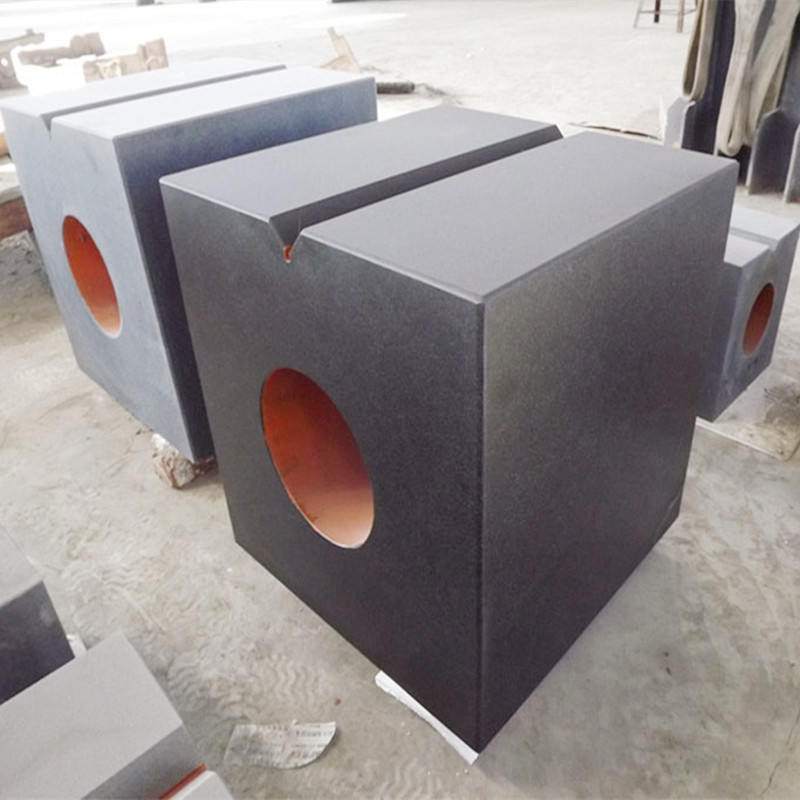
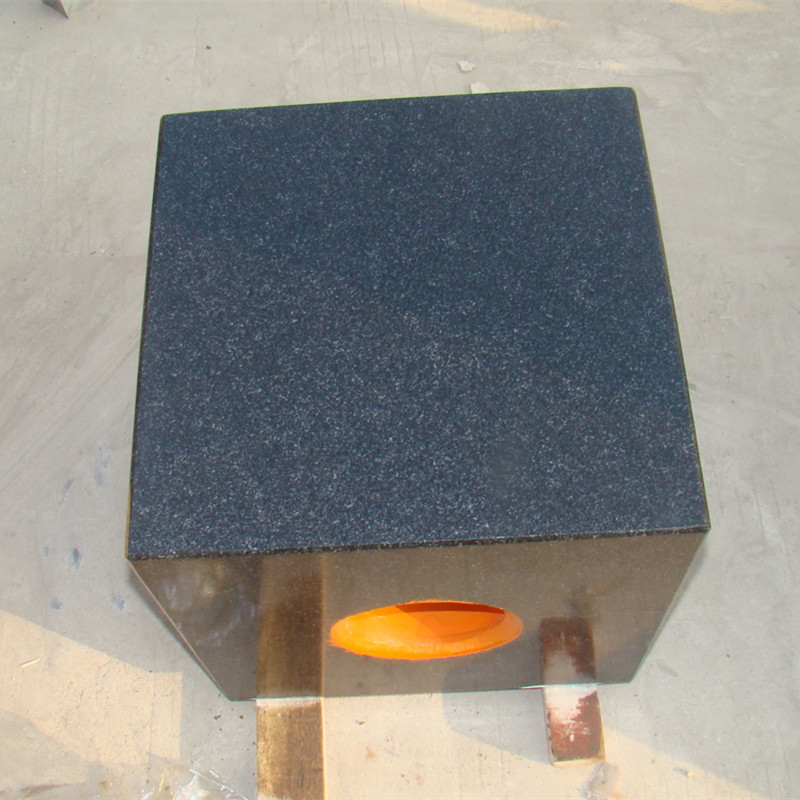
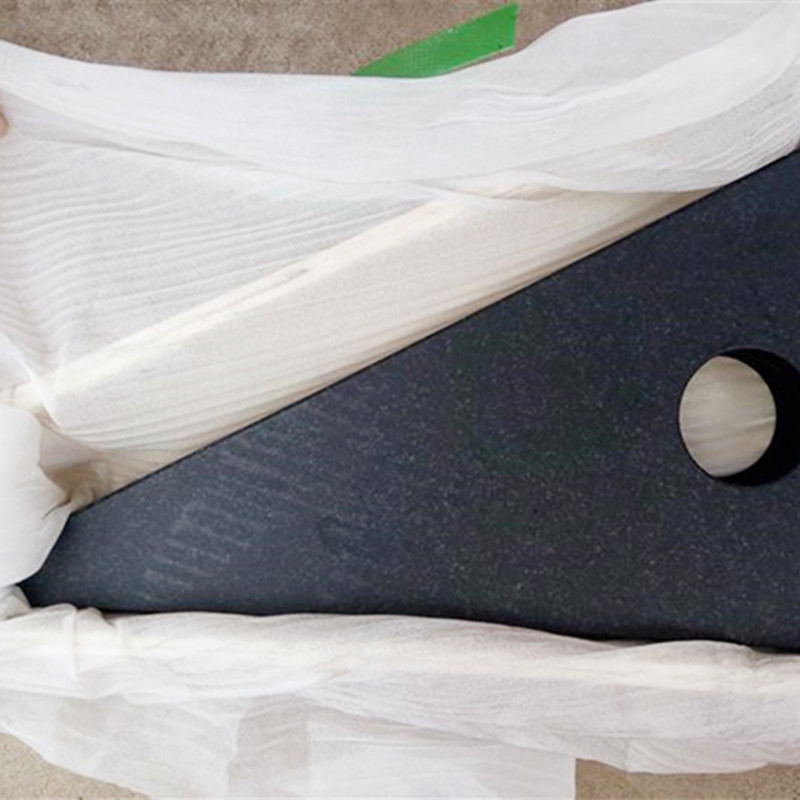
Understanding Precision Granite Surface Plates An Essential Tool for Quality Control In the realm of manufacturing and engineering, precision measurements are crucial for ensuring product quality and performance. Among the various tools used for these measurements, precision granite surface plates stand out as essential instruments that provide a flat, stable working surface ideal for various applications. This article delves into the significance of granite surface plates, their characteristics, applications, and maintenance practices. What is a Precision Granite Surface Plate? A precision granite surface plate is a flat, smooth slab made from natural granite, which is used as a reference plane for measuring, inspecting, and aligning various mechanical components. The surface of the plate is ground and lapped to achieve an extraordinary level of flatness—often within thousandths of an inch. This high degree of accuracy is vital in calibration and measurement tasks, making granite surface plates a preferred choice in laboratories and manufacturing settings. Characteristics of Granite Surface Plates Granite is favored for surface plates due to its inherent properties, which include 1. Stability Granite is a dense, hard material that does not warp or distort over time, ensuring long-lasting accuracy. 2. Non-conductive Unlike metal plates, granite does not conduct electricity, making it safer for use in various environments, including those involving electronic components. 3. Corrosion Resistance Granite is resistant to scratches, chemicals, and heat, which helps maintain the integrity of the measuring surface even in demanding conditions. 4. Self-Damping Properties The natural characteristics of granite help to damp vibrations, resulting in more stable measurements. These features contribute to the reliability and precision of measurements taken on granite surface plates . Applications of Precision Granite Surface Plates precision granite surface plate Granite surface plates are utilized in a wide array of applications, including - Inspection and Quality Control They provide a reference plane for inspecting machined parts to ensure they meet specified tolerances and dimensions. - CMM (Coordinate Measuring Machines) Surface plates are often used in conjunction with CMMs, providing a stable base for scanning and measuring components accurately. - Setup for Machining Operations Engineers and machinists use granite plates to set up workpieces and fixtures, ensuring that they are aligned correctly before production. - Assembly In assembly processes, granite plates serve as flat surfaces for accurately placing multiple components for assembly. Due to their versatility, granite surface plates find applications in diverse industries, including aerospace, automotive, electronics, and precision engineering. Maintenance of Granite Surface Plates To extend the lifespan and maintain the precision of granite surface plates, proper care is essential. Here are some key maintenance tips 1. Cleaning Regularly clean the surface with a soft cloth and a mild soap solution to remove dust and debris. Avoid abrasive cleaners that could scratch the surface. 2. Avoid Contaminants Keep the surface free from oils, grease, and substances that could alter the flatness and integrity of the granite. 3. Proper Handling Always lift and transport the surface plate by its edges using appropriate techniques to prevent any drops or impacts that could cause chipping or cracking. 4. Calibration Checks Periodically check the flatness of the plate using precision leveling devices to ensure it remains within specification. Conclusion Precision granite surface plates are invaluable tools in the domains of measurement and quality control. Their inherent properties afford accuracy, stability, and resilience that are paramount in high-stakes environments where precision is non-negotiable. By leveraging the benefits of granite surface plates and adhering to sound maintenance practices, manufacturers can significantly enhance their operational efficiency and product quality. As industries continue to evolve and demand greater precision, the role of granite surface plates will undoubtedly remain central to effective manufacturing practices.
-

High quality industrial productsagement

High quality industrial products
View Details -

Meet the diverse needs of customers

Meet the diverse needs of customers
View Details -

Strict quality control

Strict quality control
View Details -

Top raw materials

Top raw materials
View Details -

Trusted supplier

Trusted supplier
View Details
Our application

news and information
Valve de 10 pouces
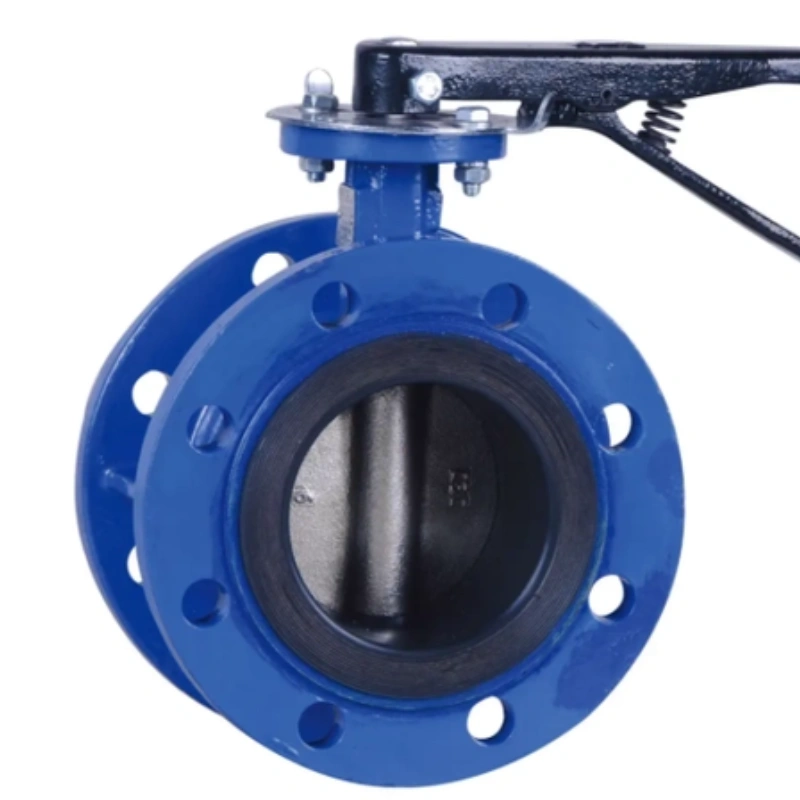
Les vannes à papillon de 10 pouces jouent un rôle crucial dans la gestion des fluides dans divers sy
water valves
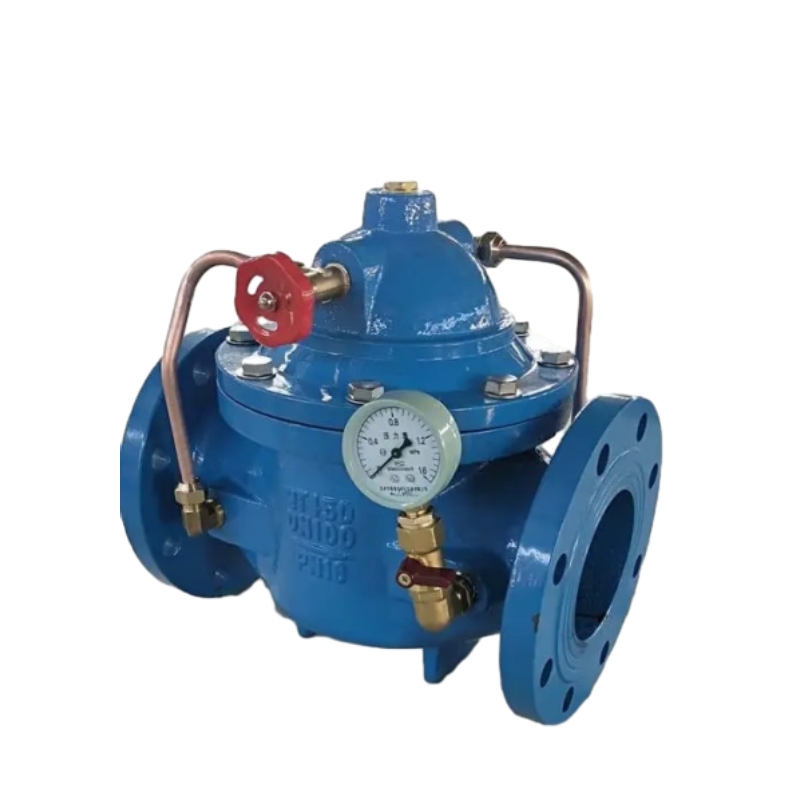
Understanding Water Valves Essential Components in Fluid Control Water valves are critical component
Welding Techniques and Equipment A Comprehensive Guide to Grounding Practices
Grounding Welding Table Essential for Safe and Efficient Welding Operations Welding is a critical pr
 English